


Growing families often discover that the home that once felt just right can quickly begin to feel tight. Many first-time buyers purchase a “starter home,” a practical and affordable entry point into homeownership. But when children enter the picture — and especially when more follow — that once-comfortable space can start to feel crowded.
For families who hope to stay put for the long haul, the key is not necessarily moving but rethinking how space is used. With smart planning and a little creativity, a home can evolve alongside the people living in it.
One of the simplest and most effective starting points is decluttering. Growing families accumulate belongings at a remarkable pace, from baby gear and toys to outgrown clothing and school projects. Regularly editing what comes into — and stays in — the home can immediately free up square footage. Items that are no longer used can be donated, sold or stored elsewhere, keeping primary living areas functional rather than overwhelmed.
Beyond reducing clutter, it’s important to reassess how existing storage is working. Many homes underutilize vertical space. Installing shelving that extends upward, adding hooks, or incorporating wall-mounted systems can lift items off the floor and create breathing room. Areas beneath staircases, inside eaves or even under beds can become valuable storage zones. In children’s rooms, loft beds can free up floor space for play or study areas.
Toys deserve special consideration. They tend to multiply quickly and can easily take over living spaces if there isn’t a clear plan in place. Furniture that doubles as storage — such as ottomans with hidden compartments or sturdy toy armoires secured to the wall — can keep playthings accessible yet out of sight. Establishing a routine for tidying up at the end of the day helps maintain order without sacrificing fun.
As children grow, so do their needs for focused work and privacy. In homes where square footage is limited, a closet can be transformed into a compact homework or remote-work station. With a small desk, good lighting and organized shelving, even a modest nook can become a productive corner. The beauty of this approach is flexibility — simply close the door when the workday or homework session ends.
Open-concept layouts have long been popular, but families often find that clearly defined zones become more important over time. Instead of undertaking costly renovations to build permanent walls, tall bookcases or other substantial pieces of furniture can function as room dividers. Creating visual separation between a play area and a living room, for example, can help different family members coexist more comfortably in shared spaces.
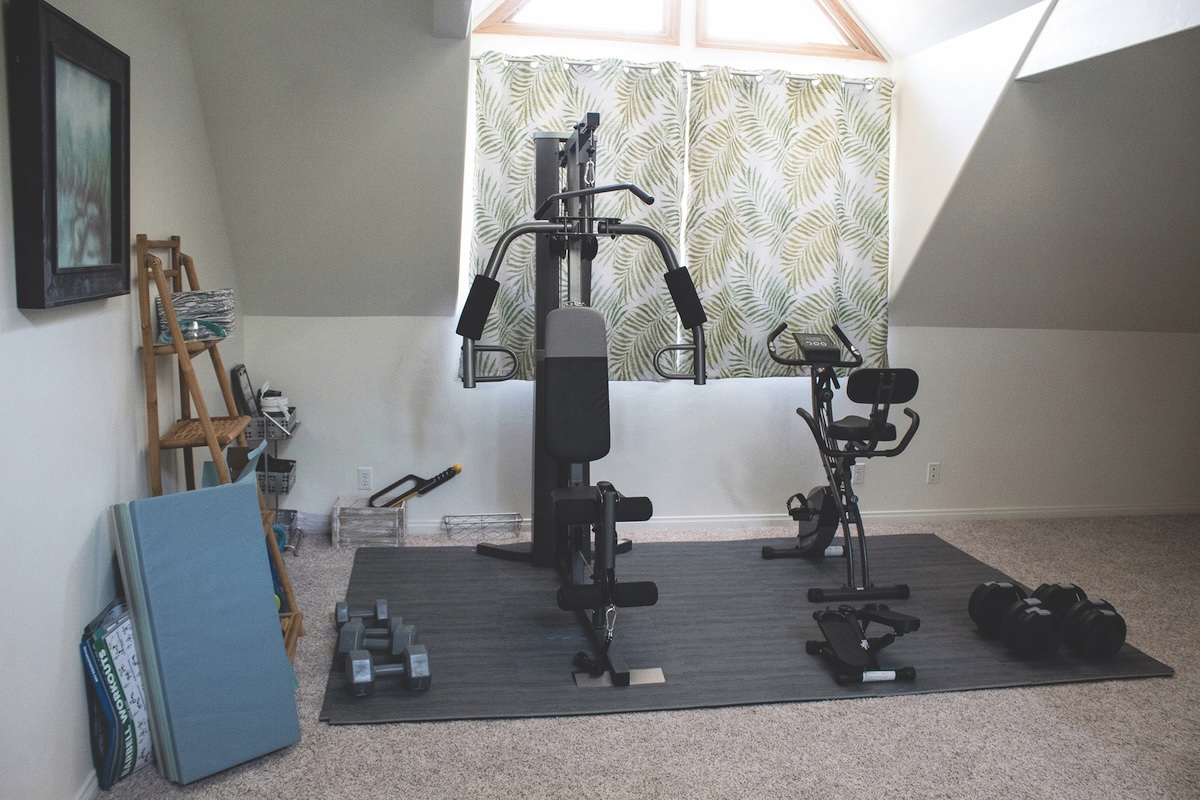
Underused areas like basements and garages also hold tremendous potential. Rather than serving solely as storage for seasonal décor, these spaces can be converted into flexible rooms that grow with the family What begins as a toddler playroom can later become a homework hangout, gaming area or media room. By shifting high-activity functions to these spaces, the rest of the house can feel calmer and less congested.
Outdoor areas can further expand a home’s usable footprint. A covered patio or deck effectively adds another “room,” making it possible to host family meals, create a safe play zone or carve out a quiet retreat for adults.
Another often-overlooked strategy is investing in multi-functional furniture. Dining tables with built-in leaves, bunk beds with drawers, or modular seating that can be rearranged for gatherings all allow a single room to serve multiple purposes. When every square foot works harder, families can adapt to change without constantly expanding their footprint.
Homes naturally evolve as families do. By planning ahead and embracing adaptable design, homeowners can create spaces that support each new stage of life — from first steps to high school milestones — without outgrowing the place they call home.
By Carrie Dunlea | Special Contributor
Enjoying this column? Let us know! Subscribe to your community newspaper Murphy Monitor.












0 Comments